RESEARCH HISTORY
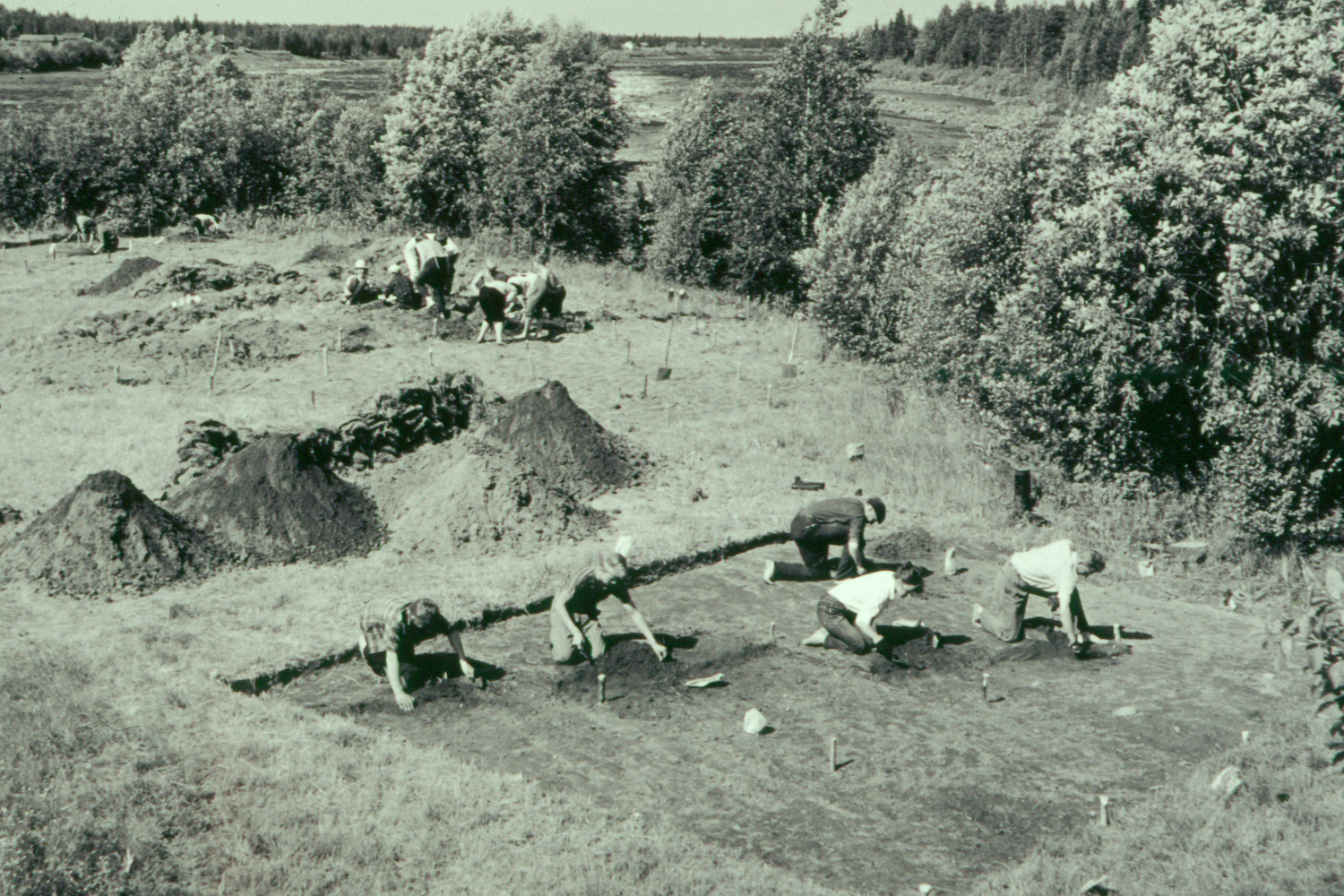
The first known mention of findings from ancient structures in the Kierikki area is from the 1800s. First excavations were carried out in the 1960´s when hydroelectric power plants were constructed along the river Iijoki. Foundations of ancient dwellings and lots of various objects were found. Finally, during excavations in the 1990s, it became understood that the Kierikki area had been an important settlement for nearly 2,000 years, roughly between 5,000 and 3,000 B.C.
Kierikki was an important settlement starting from 7,000 years ago
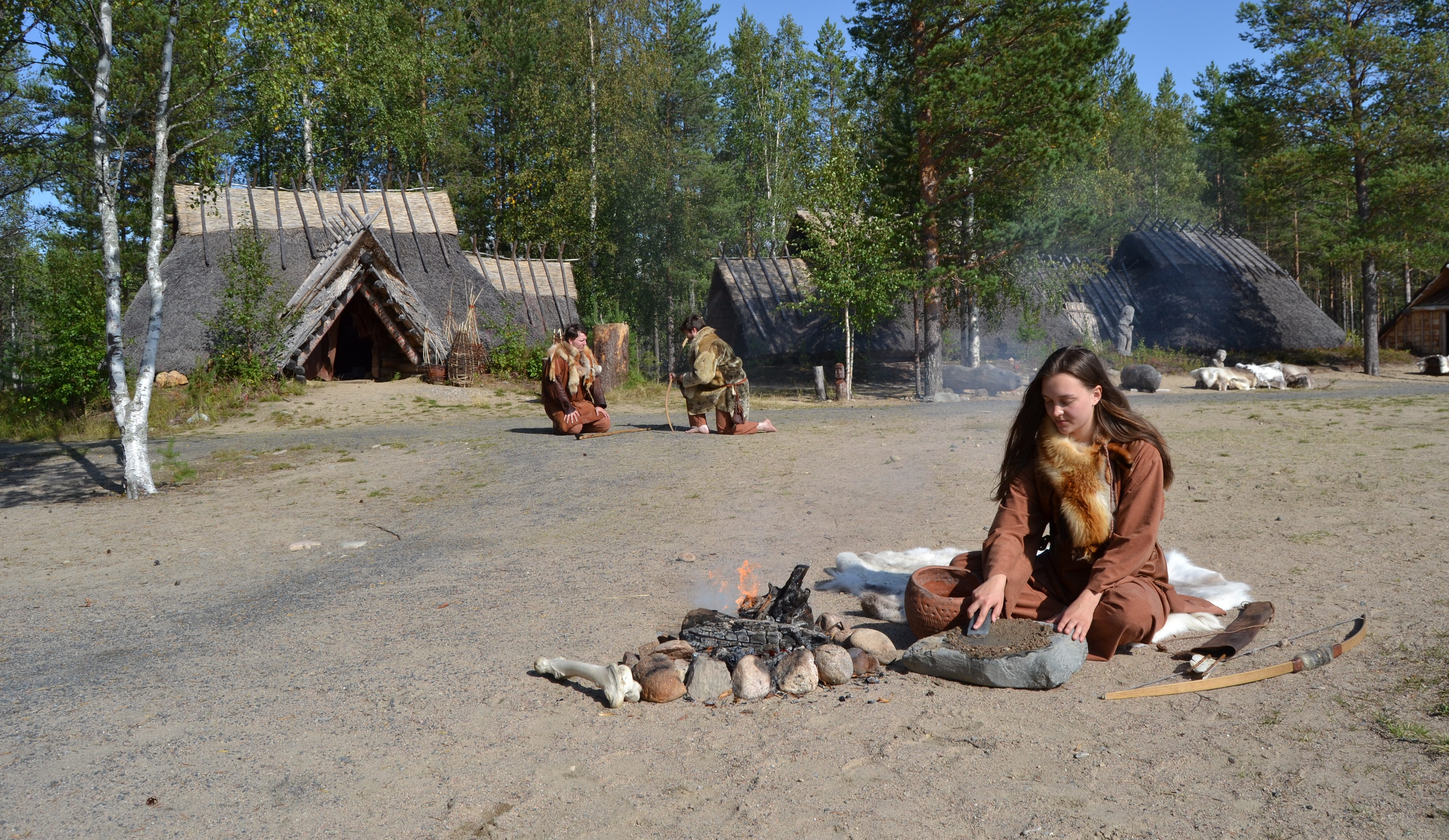
Kierikki's oldest settlements are in the Pahkakoski area, where settlers had migrated from the east along the river Iijoki in about 5,000 B.C. Migrating salmon and the seals that followed attracted settlers, who gathered and caught all they needed to live from their immediate surroundings. At that time, the skill of ceramics was brought to Finland, apparently from the southeast. Pottery was used, for example, to store provisions.

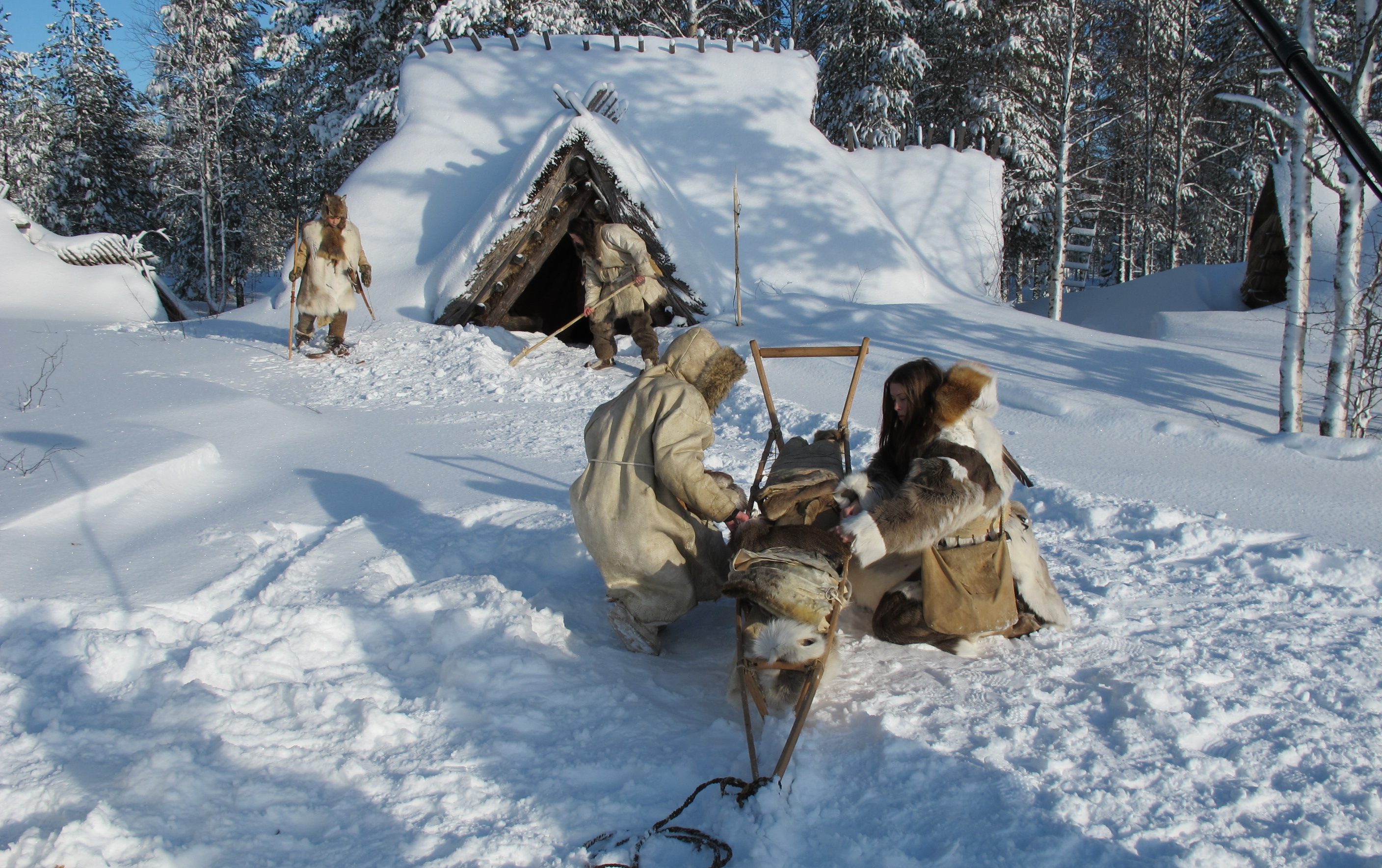
Kierikki was being inhabited year-round, at the latest, by roughly 4,000 B.C. The area's natural resources were being used more and more efficiently and the population grew considerably. Sealing became the primary livelihood of the inhabitants in the coastal villages of northern Gulf of Bothnia.
Seal skins and fat, or tran oil, were valuable commodities. Kierikki inhabitants got more than enough catch thanks to their effective hunting methods. They were thus able to use the surplus to buy exotic goods from abroad: flint from the White Sea area and amber jewellery from the southern part of the Baltic Sea. Through trade, they became familiar with foreign peoples and their customs.

The state of well-being that grew during the typical comb pottery period (4,000-3,300 B.C.) added to the number of inhabitants, which necessitated even more effective methods of obtaining nourishment, more specific delegation of duties in the community and the organization of defence. Large, methodically carried out building projects, such as row houses and so-called "giant churches" (an enclosure of stones laid out in oval shape), were a consequence of the development of the community.
At the end of the Stone Age, the construction of new kinds of large buildings began on the coast of the Gulf of Bothnia. A unique feature in the Kierikki area are rectangular-shaped rows of dwellings, with wooden beam floors, which were joined together by corridors nearly three meters wide. The nearly 60-meter long row houses had five to seven residential lodgings, in which several families would live.
More about Stone Age life at Kierikki, the objects found in the area and information about the research history can be seen on display at Kierikki Stone Age Centre.